
The Silent Power of Women
Biology, Culture, and the Quiet Rewriting of Womanhood

Biology may set the stage, but culture writes the script—and as we evolve, we must learn to navigate both with awareness, adaptability, and choice.
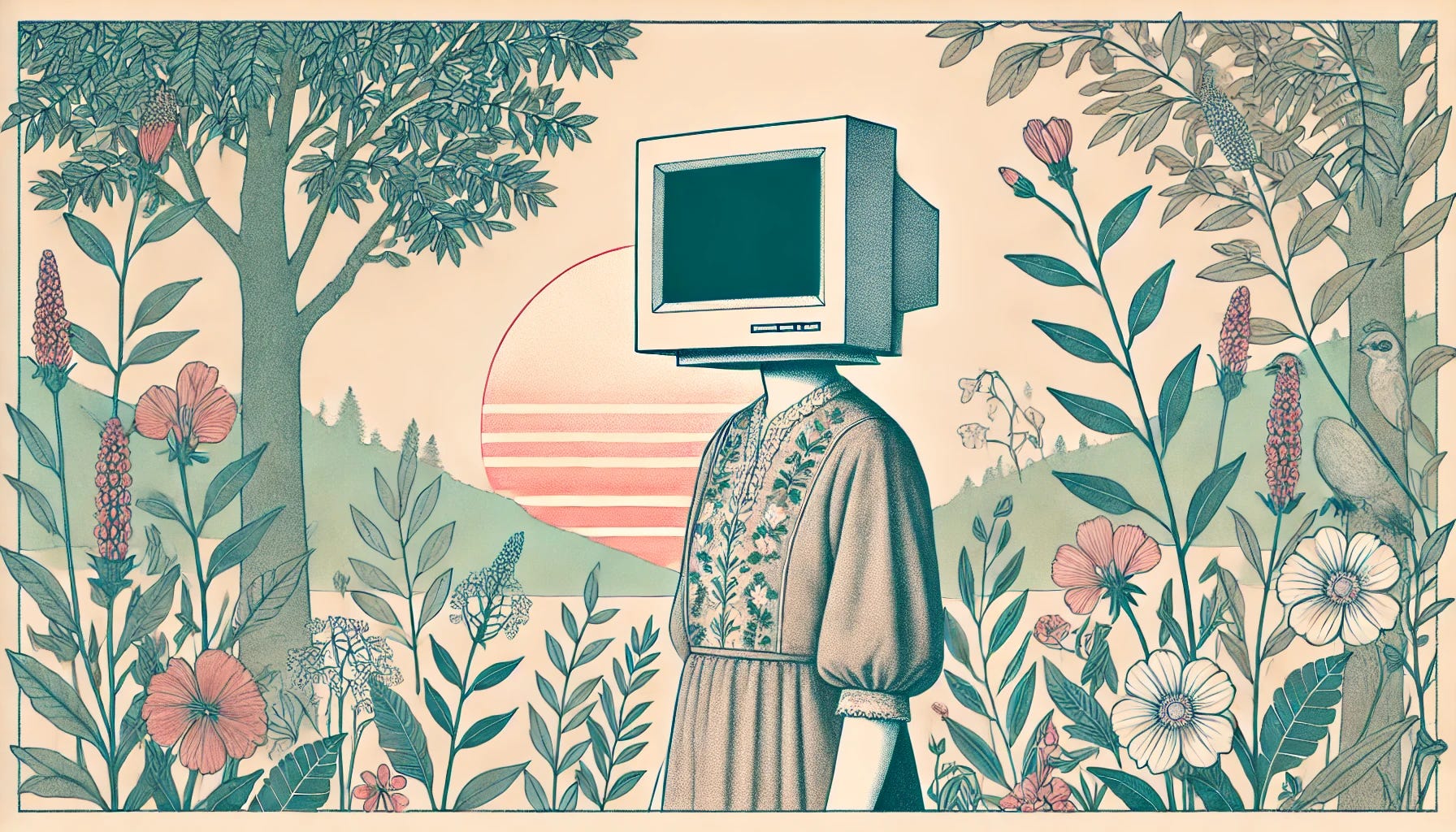
I don’t actively identify as a feminist, but if you asked those who know me, they’d probably say I am—just not in the activist sense. If I am a feminist, then I’m a quiet one, subtly rewriting the narratives that shape women’s lives. I love men, and as I grow older, I become more aware of the gender stereotypes we unconsciously slip into. Those stereotypes appear to be shaped by a mix of biology, culture, and social constructs.
My feminist awareness sharpened after reading Eve by Cat Bohannon. A researcher and author with a PhD from Columbia University in the evolution of narrative and cognition, Bohannon offers a fresh perspective on the origins of our species, particularly the female body.
One key insight I took from the book is that medicine has long been designed around the male body. Most drugs are developed with men in mind, based on the assumption that the female body isn’t significantly different. Spoiler alert: it is—think uterus, menstruation, menopause, and the relentless waves of hormonal storms.
Another fascinating perspective is that, as a species, humans are remarkably inefficient at reproduction—no other species endures such agonising, life-threatening labor as human females do. The key innovation that ensured our survival and enabled us to reproduce to a population of eight billion wasn’t a knife, an axe, or any weapon men used for protection. It was gynaecology and our ability to collaborate in bringing new life into the world.
Perhaps the most compelling part of the book is this, and I’ll quote Cat directly because she says it best:
While genes go about the business of trying to perpetuate themselves, female animals are also generally trying to stay alive. When it comes to reproduction, they want the very best sperm, from partners they prefer, at a time and in the circumstances they prefer. Males, meanwhile—who as a rule expend very few resources on the business of reproduction—are also trying to stay alive, but because reproduction doesn’t cost them much, they’re mostly trying to get their sperm into any female they can. And that means, for all intents and purpose, male and female bodies have been at war for hundreds of millions of years. Page 215
I think, as a society, we underestimate the impact of biology and just how fundamentally different men and women are wired. The dynamic captured in that quote shapes far more than we tend to acknowledge—including the idea that monogamy is not just biological but also a social construct, reinforced to promote stability and curb the spread of sexually transmitted diseases. But perhaps most importantly, it highlights that women wield more influence over men than we often acknowledge—whether through biological selection, social networks, or emotional intelligence.
After reading the book, I began to see relationships between men and women in a new light. I started paying closer attention to dating dynamics—mostly by lurking on Reddit—where men often compete for a woman’s attention, while women ultimately select partners based on traits that could benefit their future offspring. In early tribal societies, women even had sex with multiple men, believing that their child would inherit the best qualities from all of them. Unaware that only one sperm fertilises the egg, they assumed a mix of male traits would shape their baby’s future.
I find this absolutely fascinating. You can see it play out in the way we live—women are naturally wired to create homes and cultivate rich social networks, ensuring they have support in raising offspring, while men tend to be less invested in maintaining social ties. Instead, men are often more focused on competition, status, and securing resources, traits that historically increased their chances of passing on their genes. Interestingly, despite carrying the burden of reproduction, women tend to outlive men—a testament to the strength of their social bonds and support systems.
And this is where the cultural lens comes into play. These traditionally male traits—competition, status-seeking, and resource acquisition—have historically given men an advantage in modern society, particularly in corporate environments where success is often defined by these very qualities.
For women, the reality shifts dramatically after childbirth, a fact well-supported by extensive data. The birth of a child rewires a mother’s brain, reshaping it to adapt to the demands of caregiving. As a result, many women become less focused on status and career progression. The adjustment is profound—she doesn’t just take on a new role; in many ways, she becomes someone new. Some women leave the workforce entirely, others shift to part-time work, and then there are the so-called “super moms”—those who strive to balance a thriving career with the demands of motherhood, often bearing the physical, emotional, and social costs of reproduction.
The transition to parenthood is one of the clearest examples of how biology shapes life trajectories in ways that society often underestimates. The physical demands of pregnancy, birth, and postpartum recovery create a vastly different experience for women than for men. Research shows that many couples don’t make it through this stage, as the biological and hormonal shifts in women—combined with the intense emotional and logistical load of early childcare—fundamentally alter relationship dynamics. Historically, societies were structured around these realities, but modern life increasingly assumes men and women will navigate them in identical ways. The economic consequences reflect this mismatch: many mothers face financial setbacks after childbirth, particularly in systems that fail to account for the asymmetry of this transition. As these pressures mount, more women are choosing to delay or forgo motherhood altogether, contributing to declining birth rates worldwide.
I’m not denying the existence of patriarchy—though I don’t subscribe to the idea. If we define patriarchy as a system where men hold primary power, then we must also recognise that throughout history, women have wielded significant influence in various ways—suggesting that power dynamics are more nuanced than a simple patriarchy-matriarchy divide.
Of course, I view this through the cultural lens of Western society, where women have achieved far greater equality compared to societies that still oppress them. Rather than attributing everything to social structures, I’m considering the possibility that biology plays a far greater role in shaping how we organise life and work than we often acknowledge.
That said, I do see significant progress in parental leave policies, allowing fathers to take on roles traditionally held by mothers and giving women the flexibility to continue advancing in their careers if they choose. A shift is happening, no doubt. But it takes a man who is deeply secure in his identity and willing to challenge societal expectations to fully embrace this role.
Even as cultural shifts challenge traditional roles, biology remains a force that shapes our choices—but perhaps, in time, we’ll learn to navigate both with greater awareness.
ADRIANA
📓 Interesthings:
A stunning chart shows the true cause of the gender wage gap